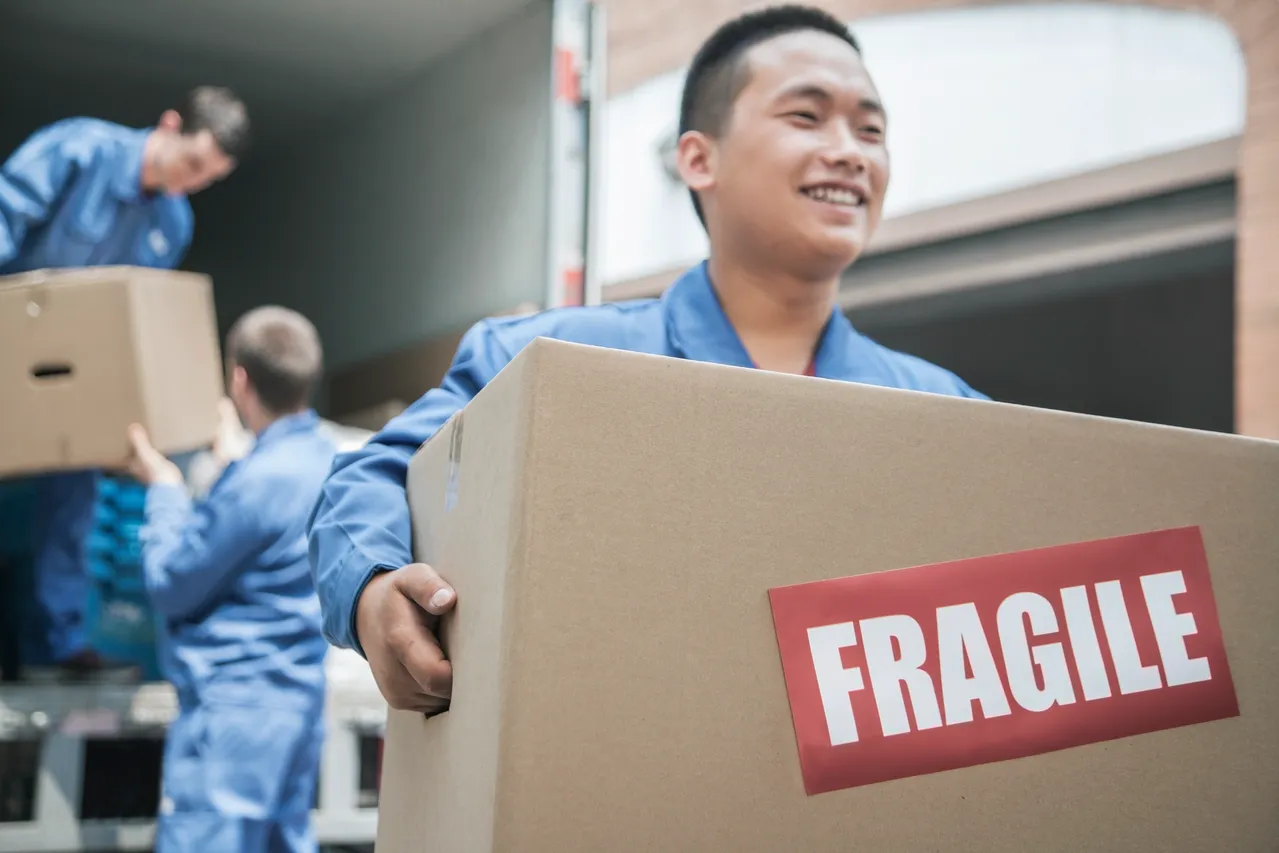


Packing fragile items is one of the most important parts of preparing for a move. Clothing, books, pillows, and everyday household items can usually handle a little movement during transport, but fragile belongings need much more care. Dishes, glassware, mirrors, artwork, lamps, electronics, collectibles, picture frames, antiques, ceramics, décor pieces, and sentimental items can be damaged quickly if they are packed too loosely, placed in weak boxes, or rushed into the moving truck without proper protection.
For Ottawa homeowners, moving day can come with its own challenges. You may be moving from a condo with elevators and shared hallways, an older home with narrow staircases, a townhome with tight turns, or a suburban house with several levels. Weather can also play a role, especially during winter, rain, or muddy spring conditions. Fragile items need to be packed well enough to handle carrying, stacking, loading, transport, unloading, and unpacking.
The good news is that damage can often be prevented with the right packing plan. If you start early, use proper supplies, label boxes clearly, and avoid common mistakes, your fragile belongings have a much better chance of arriving safely at your new home.
Why Fragile Items Need Special Packing
Fragile items are vulnerable because they can crack, chip, bend, scratch, shatter, or break when pressure is applied in the wrong place. Many delicate items are also irregularly shaped, which makes them harder to pack securely. A wine glass, mirror, lamp, framed photo, or ceramic bowl cannot simply be placed in a box and expected to survive the move.
Another issue is movement inside the box. Even if an item is wrapped, it can still break if it shifts around during transport. A box may be carried down stairs, placed on a dolly, stacked in a truck, or moved through tight corners. If fragile pieces are not cushioned properly, they can hit each other or press against the side of the box.
Packing fragile items is not just about wrapping each piece. It is about creating layers of protection around the item, inside the box, and throughout the moving process.
Start Packing Fragile Items Early
Fragile packing takes more time than most people expect. It is easy to pack clothing or linens quickly, but delicate items require patience. If you wait until the night before the move, you may rush, use poor materials, or skip important steps.
Start with fragile items you do not use every day. This may include seasonal dishes, decorative bowls, framed artwork, extra glassware, vases, collectibles, photo frames, books with delicate covers, and rarely used kitchen pieces. Everyday dishes, coffee mugs, and kitchen essentials can be packed closer to moving day.
Starting early also gives you time to sort through what you actually want to bring. If an item is already chipped, unused, or no longer meaningful, it may not be worth packing and moving.
Use Strong Boxes
One of the biggest mistakes homeowners make is using weak, damaged, or oversized boxes for fragile belongings. A box that bends, collapses, or tears can put everything inside at risk.
Use sturdy moving boxes that can handle the weight of the items inside. For dishes, books, small electronics, and glassware, smaller boxes are usually better because they are easier to carry and less likely to become overloaded. Large boxes should be used for lighter fragile items, such as lampshades, pillows around delicate décor, or lightweight decorative pieces.
Before packing, check the bottom of each box. Reinforce it with strong packing tape. Do not rely on old tape, thin tape, or boxes that have already been weakened by previous moves.
Best Boxes for Fragile Items
Helpful box options include:
- Small moving boxes for dishes and glassware
- Dish-pack boxes for kitchen items
- Mirror boxes for mirrors and artwork
- Electronics boxes for screens and devices
- Wardrobe or specialty boxes for awkward delicate items
- Original packaging for electronics if available
The right box makes packing easier and helps reduce damage during transport.
Gather the Right Packing Supplies
Fragile items need proper packing materials. Newspaper may work in some cases, but it can leave ink marks and may not provide enough cushioning for valuable or delicate belongings. It is better to use packing paper, bubble wrap, foam sheets, cardboard dividers, and moving blankets where needed.
You should also have strong tape, markers, labels, and scissors ready before you begin. Running out of supplies halfway through packing can slow you down and lead to rushed decisions.
Useful Supplies for Fragile Packing
Before you start, gather:
- Packing paper
- Bubble wrap
- Packing tape
- Strong moving boxes
- Cardboard dividers
- Foam sheets
- Stretch wrap
- Moving blankets
- Towels or linens for extra cushioning
- Permanent markers
- Fragile labels
Having everything ready helps you pack more carefully and consistently.
Cushion the Bottom of Every Box
Before placing fragile items into a box, create a soft base. Add crumpled packing paper, foam, towels, or bubble wrap to the bottom of the box. This helps absorb impact if the box is placed down quickly or stacked during the move.
A fragile item should never sit directly on the bottom of the box. Even a small drop or bump can cause damage if there is no cushioning underneath.
After the bottom layer is prepared, place wrapped items carefully inside. Once the box is full, add another layer of cushioning on top before sealing it.
Wrap Each Item Individually
Fragile items should be wrapped one by one. Do not stack dishes, glasses, or décor pieces together without protection between them. Even items that seem sturdy can chip or crack when they rub against each other.
For plates, wrap each plate in packing paper or foam. It is usually safer to pack plates vertically, like records, instead of laying them flat. This helps reduce pressure on the centre of the plate.
For glasses and mugs, fill the inside with packing paper, then wrap the outside. Stemware should get extra attention around the stem and base because those areas are easy to break.
For bowls, wrap each one individually and add padding between stacked pieces. For ceramics and decorative pieces, wrap the item fully and make sure corners or handles are protected.
Avoid Empty Space Inside Boxes
Empty space is one of the biggest causes of broken fragile items. If items can shift inside the box, they can hit each other or slam into the sides during transport.
After placing wrapped items in the box, fill all gaps with crumpled packing paper, towels, foam, or bubble wrap. When you gently shake the box, you should not hear items moving around.
This step is especially important for Ottawa moves involving stairs, elevators, long hallways, or longer driving distances. Even careful movers cannot fully protect items that are loose inside a box.
Do Not Overpack Fragile Boxes
A fragile box should be secure, but not too heavy. Overpacking can cause the box to break, make it harder to lift, and increase the chance of damage. Heavy boxes are also more likely to be dropped or stacked incorrectly.
Dishes, books, tools, and glass items can become heavy quickly. Use smaller boxes for heavier fragile items and keep larger boxes for lightweight pieces.
If a box feels difficult to lift, it is probably too heavy. It is better to use more boxes than risk breaking one overloaded box full of delicate items.
Label Fragile Boxes Clearly
Labelling is simple, but it matters. Every fragile box should be marked clearly on multiple sides. Write “FRAGILE” and include the room name and a short description of what is inside.
For example:
- Kitchen – fragile dishes
- Dining room – glassware
- Living room – framed photos
- Bedroom – lamps
- Office – electronics
If the box must stay upright, write “THIS SIDE UP” and mark the top clearly. This helps movers know how to handle the box and where to place it in the new home.
Pack Dishes the Right Way
Kitchen items are some of the most commonly broken belongings during a move. Plates, bowls, mugs, glasses, serving dishes, and cookware lids all need proper packing.
Start with a cushioned box. Wrap plates individually and place them vertically. Add padding between rows. Bowls can be nested if each one is wrapped and cushioned. Glasses should be wrapped inside and outside, then packed upright with dividers or padding.
Avoid mixing heavy dishes with delicate glassware in the same box. Heavy items can crush lighter items if the box shifts.
Protect Mirrors, Artwork, and Frames
Mirrors, framed artwork, and large photos need extra care because glass can crack and frames can bend or chip. If possible, use mirror boxes or artwork boxes. These are designed to protect flat fragile items better than regular boxes.
Tape an X shape across the glass surface to help hold pieces together if the glass cracks. Then cover the item with packing paper, cardboard, bubble wrap, or a moving blanket. Corners should be protected carefully because they are often the first area to get damaged.
Do not place heavy items on top of mirrors or framed artwork. These pieces should be loaded and transported carefully, usually upright rather than flat.
Pack Electronics Carefully
Electronics are fragile in a different way. TVs, computers, monitors, speakers, gaming systems, printers, and small appliances can be damaged by impact, pressure, moisture, or poor handling.
If you still have the original packaging, use it. Original boxes often include custom foam that fits the item properly. If not, use sturdy boxes, bubble wrap, foam, and plenty of cushioning.
Take photos of cords before unplugging electronics so setup is easier later. Keep cords, remotes, and accessories in labelled bags. Do not place loose cables directly against screens or delicate surfaces.
Use Extra Care With Lamps and Lampshades
Lamps are awkward to pack because they usually have fragile bases, cords, bulbs, and shades. Remove the bulb and lampshade first. Wrap the base separately with bubble wrap or packing paper. Pack lampshades in separate boxes because they can bend or crush easily.
Do not pack heavy items with lampshades. Even light pressure can cause dents or creases. If a lampshade is valuable or delicate, it should be packed with plenty of space and soft cushioning.
Keep Valuable and Sentimental Items With You
Some fragile items should not go on the moving truck. Jewellery, important documents, family heirlooms, small valuables, passports, financial papers, medication, and irreplaceable sentimental items are often better kept with you during the move.
Even when movers are careful, certain belongings are too personal or valuable to risk. Pack these items separately and keep them in your vehicle or personal bag.
This is especially important if you are moving long-distance, dealing with a delayed closing, or staying somewhere temporarily before unpacking.
Prepare Fragile Items for Ottawa Weather
Ottawa weather can affect moving day. Rain, snow, ice, slush, and humidity can all create problems for fragile items. Cardboard boxes can weaken if they get wet. Glass and delicate pieces can become slippery. Electronics can be damaged by moisture.
If you are moving during winter or wet weather, protect boxes from the elements. Keep fragile boxes indoors until they are ready to be loaded. Use plastic covers or bins for items that need extra protection from moisture.
Make sure walkways, driveways, and stairs are clear before movers arrive. A slippery path increases the risk of dropped boxes and damaged belongings.
Communicate With Your Movers
If you are hiring professional movers, let them know which boxes contain fragile items. Clear labels help, but communication is still important. Point out boxes with glassware, artwork, antiques, electronics, or sentimental pieces.
Professional movers can also help decide how fragile boxes should be loaded. Delicate boxes should not be crushed under heavier items. Large fragile pieces may need specific placement inside the truck.
If you need packing services, ask ahead of time. Professional packing can be especially helpful for kitchens, artwork, mirrors, antiques, and specialty items.
Common Fragile Packing Mistakes to Avoid
Many fragile items break because of simple packing mistakes. These can usually be avoided with more time and better materials.
Common mistakes include using weak boxes, leaving empty space, overpacking heavy items, failing to label boxes, stacking fragile items without padding, using poor tape, packing at the last minute, and placing delicate items under heavy belongings.
Another common mistake is assuming towels or clothing are enough protection for everything. Soft household items can help, but they do not replace proper wrapping for glass, electronics, artwork, or antiques.
Why Professional Packing Can Be Worth It
Packing fragile items can take a lot of time, especially if you have a full kitchen, valuable artwork, antiques, large mirrors, or delicate décor. Professional packing services can help reduce stress and improve protection.
Experienced movers know how to wrap items properly, choose the right boxes, fill empty spaces, label boxes, and prepare fragile belongings for transport. They can also help with large or awkward items that are difficult to pack safely on your own.
For Ottawa homeowners with busy schedules, children, work commitments, or a large household, professional packing support can make moving day much more organized.
Final Thoughts
Packing fragile items for a move in Ottawa takes patience, planning, and the right supplies. Start early, use strong boxes, wrap each item individually, cushion every box, label clearly, and avoid overpacking. Pay special attention to dishes, glassware, mirrors, artwork, electronics, lamps, antiques, and sentimental belongings.
Every move comes with some pressure, but fragile items do not have to become a source of stress. With careful preparation and professional moving support when needed, your delicate belongings can arrive safely at your new home and be ready to unpack with confidence.