

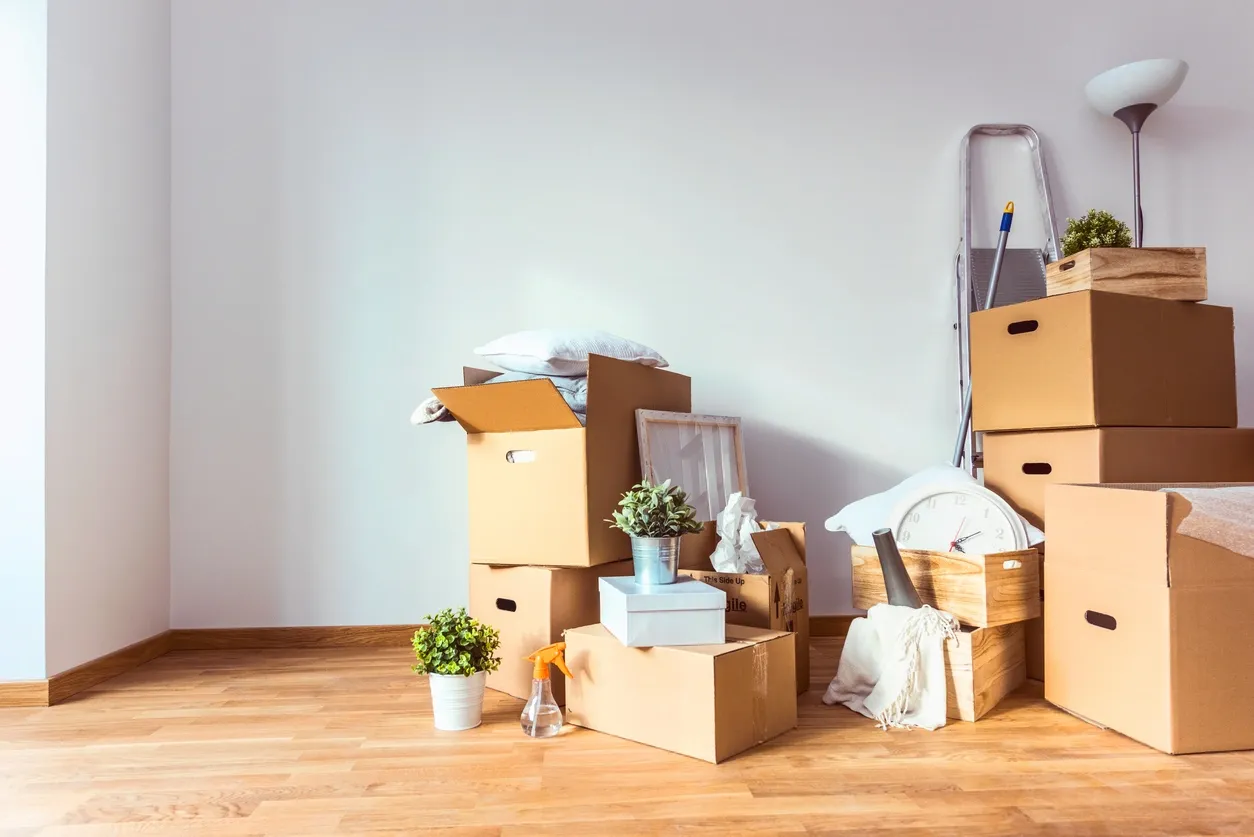
Moving large furniture is one of the most challenging parts of any home move. Whether you are moving across Ottawa, relocating from a condo into a house, downsizing into a smaller property, or helping a family member move into a new place, bulky furniture can quickly become the hardest part of the day. Couches, sectionals, dining tables, wardrobes, bed frames, dressers, office desks, bookshelves, cabinets, appliances, and entertainment units are not always easy to lift, turn, carry, or fit through tight spaces.
The biggest concern is not just moving the furniture from one place to another. It is moving it safely without damaging walls, floors, stairs, railings, door frames, elevators, or the furniture itself. Many homeowners do not realize how much preparation is needed until they are standing in a hallway with a heavy couch that will not turn the corner.
In Ottawa, moving large furniture can come with different challenges depending on the type of home. Older homes may have narrow staircases and smaller doorways. Downtown condos may have elevator bookings, loading dock rules, and shared hallways. Townhomes may have tight stair turns. Suburban homes may have finished basements, hardwood floors, and large furniture that needs to be carried through multiple levels.
With the right planning, equipment, and moving support, large furniture can be moved safely and efficiently. Here is what Ottawa homeowners should know before moving day.
Why Large Furniture Needs Extra Planning
Large furniture is difficult to move because it is heavy, awkward, and often more fragile than it looks. A dresser may seem solid, but drawers, handles, legs, and corners can be damaged if it is lifted the wrong way. A couch may feel manageable in an open room, but it can become difficult once it needs to pass through a narrow doorway or down a staircase. Dining tables, beds, cabinets, and shelving units may also need to be disassembled before they can be moved safely.
The risk increases when furniture has to travel through tight spaces. Walls can get scratched. Floors can be dented. Railings can be chipped. Door frames can be marked. Furniture legs can snap. Glass pieces can crack. Even one rushed move can leave damage that is expensive and frustrating to repair.
Planning ahead helps prevent these problems. Instead of reacting on moving day, homeowners should prepare the furniture, measure the route, protect the home, and make sure the right tools are available.
Measure the Furniture Before Moving Day
Before moving large furniture, measure each major item. This includes the width, height, depth, and any parts that stick out, such as arms, legs, handles, shelves, or decorative edges. Once you know the furniture dimensions, compare them with the spaces the item must pass through.
Measure doorways, staircases, hallways, basement entrances, elevator openings, and tight corners. If you are moving into a new Ottawa home, measure the new space as well. A couch that fits easily in your current living room may not fit through the new front door or basement staircase.
Areas to Measure Carefully
Important areas to check include:
- Front and back doors
- Hallway width
- Staircase width
- Stair landings
- Basement stairs
- Condo elevators
- Loading dock entrances
- Bedroom doors
- Tight turns near entryways
- Garage entry doors
Do not rely on guessing. A difference of even a few inches can determine whether an item fits safely or needs to be disassembled.
Plan the Moving Route
Once you have measured the furniture, plan the exact route it will take out of the home and into the new one. Walk through the path from the furniture’s current location to the moving truck. Then do the same at the destination.
Look for anything that could slow the move down or cause damage. This may include narrow corners, low ceilings, hanging light fixtures, loose rugs, stair railings, cluttered entryways, uneven walkways, snow, ice, or parked vehicles blocking access.
If the furniture needs to go up or down stairs, take extra care. Stairs are one of the most common places where damage and injuries happen during a move. The weight of the item shifts, visibility becomes limited, and one wrong step can cause problems.
Clear the Path Before Movers Arrive
Before moving day, remove anything that could get in the way. Move shoes, coats, small tables, plants, lamps, décor, toys, boxes, and loose rugs away from the route. Make sure doors can open fully. If needed, remove doors from hinges to create more space.
A clear path makes the move faster, safer, and less stressful for everyone involved.
Disassemble Furniture When Possible
Many large furniture pieces are safer and easier to move when they are taken apart first. Disassembling furniture reduces weight, creates more manageable pieces, and lowers the risk of damage.
Beds, dining tables, desks, shelving units, modular sectionals, cabinets, and entertainment centres often have removable parts. Even removing drawers from a dresser can make it much lighter and easier to carry.
Furniture Parts to Remove
Before moving, consider removing:
- Table legs
- Bed frames
- Headboards
- Shelves
- Drawers
- Mirrors
- Glass tops
- Cushions
- Detachable couch sections
- Cabinet doors
- Desk attachments
- Handles if they stick out
Keep screws, bolts, and small hardware in labelled bags. Tape the bag to the furniture piece or place all hardware in one clearly marked container. This helps prevent missing parts when it is time to reassemble everything.
Protect the Furniture Before Moving It
Large furniture should be protected before it is carried through the home. Moving blankets, stretch wrap, padding, and protective covers can help prevent scratches, dents, chips, and fabric damage.
Wood furniture should be wrapped to protect corners and surfaces. Upholstered furniture should be covered to prevent dirt, moisture, and tears. Glass pieces should be wrapped carefully and kept separate when possible. Sharp corners should be padded so they do not scrape walls or door frames.
Do Not Move Furniture Unprotected
Some people try to move furniture quickly without wrapping it first. This may save a few minutes at the start, but it can lead to damaged furniture or property. A wrapped dresser, table, or cabinet is much less likely to leave marks behind if it brushes against a wall or doorway.
Proper wrapping also helps movers grip furniture more securely, especially when handling bulky or slippery surfaces.
Protect Walls, Floors, and Stairs
Protecting the home is just as important as protecting the furniture. Heavy furniture can easily scratch hardwood, crack tile, dent laminate, or mark walls. Stairs, railings, and door frames are especially vulnerable during a move.
Use floor runners, cardboard, mats, or protective coverings in high-traffic areas. Place padding around corners, banisters, and narrow turns if large items need to pass through. For stairs, make sure the steps are clean, dry, and free of anything that could cause slipping.
Ottawa Weather Can Add Extra Risk
Ottawa moves can be affected by rain, snow, slush, ice, and mud. If you are moving in winter or during wet weather, floor protection becomes even more important. Movers may be carrying furniture in and out repeatedly, which can track moisture into the home.
Before the move starts, clear snow and ice from walkways, driveways, and steps. Use mats near entrances and protect floors inside the home. This helps reduce slipping risks and keeps floors cleaner throughout the day.
Use the Right Moving Equipment
Large furniture should not be moved with strength alone. The right equipment can make the process safer and more efficient. Professional movers often use dollies, furniture sliders, lifting straps, moving blankets, floor runners, and proper packing materials to move heavy items carefully.
A dolly can help move heavy boxes, appliances, and stacked items. Furniture sliders can help reposition heavy pieces without dragging them directly across the floor. Lifting straps can help distribute weight more evenly when carrying bulky furniture.
Avoid Dragging Furniture
Dragging furniture is one of the easiest ways to damage floors. Even if the item seems too heavy to lift, dragging it across hardwood, vinyl, laminate, or tile can leave scratches, dents, or deep marks. If an item must be shifted, use sliders or proper lifting techniques.
Dragging can also damage the furniture itself. Legs can loosen, frames can crack, and the bottom of the item can scrape against the floor.
Lift Carefully and Communicate
Moving large furniture safely requires teamwork. Everyone involved should know where the item is going, who is leading, and when to stop. Rushing or moving without communication can cause injuries and property damage.
Before lifting, decide who will carry each side. Make sure everyone understands the route. Move slowly through tight areas, and pause when turning corners or going up and down stairs.
Communication Matters on Stairs
Stairs require extra coordination. The person at the lower end usually carries more weight, while the person above helps guide and balance the item. Clear communication is important so both people move at the same pace.
Simple instructions like “stop,” “tilt,” “lower,” “turn,” and “hold” can prevent mistakes. If the item feels unsafe or too heavy, stop and reassess instead of forcing it.
Be Careful With Tight Corners and Doorways
Doorways and corners are common places where damage happens. Large furniture often needs to be angled, tilted, or rotated to fit through. This is especially true for couches, mattresses, dressers, armoires, and office furniture.
If an item gets stuck, do not force it. Forcing furniture through a tight space can damage the wall, door frame, or furniture. Instead, back up, change the angle, remove another part if possible, or consider another route.
Remove Doors When Needed
Removing a door from its hinges can create extra space and make the move easier. This can be helpful for large couches, bed frames, and appliances. It only takes a few minutes and can prevent damage in tight entryways.
Prepare Condo and Apartment Moves Properly
Moving large furniture in an Ottawa condo or apartment requires extra planning. Buildings often have rules about elevator bookings, loading areas, moving times, parking, and hallway protection. If you do not confirm these details early, moving day can become stressful.
Book the elevator in advance if required. Ask whether the building provides elevator padding or if movers need to bring protection. Confirm where the truck can park and whether there is a loading dock. Also check if there are time restrictions for moves.
Protect Shared Spaces
In condos and apartments, damage to shared hallways, elevators, or lobby areas can create extra costs or complaints. Large furniture should be wrapped well, and movers should be careful when passing through shared spaces.
Professional movers are used to handling condo rules and can help move furniture efficiently while respecting building requirements.
Know When Furniture Needs Professional Help
Some furniture is simply too heavy, valuable, awkward, or risky to move without professional support. Pianos, antiques, oversized sectionals, heavy wardrobes, large dining tables, glass cabinets, gym equipment, and delicate specialty items often require experienced handling.
Trying to move these items without the right help can lead to injury or expensive damage. Professional movers know how to assess the item, protect it, choose the safest route, and move it with proper equipment.
Specialty Items Need Extra Care
Specialty furniture may require custom wrapping, extra movers, special lifting equipment, or a different moving plan. If you are unsure whether an item can be moved safely, it is better to ask before moving day.
Why Professional Movers Help Prevent Damage
Professional movers do more than lift furniture. They understand how to prepare items, protect homes, navigate tight spaces, and load moving trucks safely. This experience can make a major difference when moving large furniture in Ottawa homes.
A professional moving team can help with disassembly, wrapping, floor protection, careful carrying, loading, unloading, and placement in the new home. They can also identify potential problems before damage happens.
For homeowners, this reduces stress and lowers the risk of scratches, dents, broken furniture, or injuries.
Final Thoughts
Moving large furniture safely takes preparation, patience, and the right approach. Before moving day, measure your furniture, plan the route, clear the path, disassemble large pieces, protect floors and walls, and use proper moving equipment.
Ottawa homes can present different challenges, from narrow staircases and older layouts to condos, elevators, townhomes, basements, and winter weather. The more you plan ahead, the easier it becomes to move bulky furniture without damaging your home or belongings.
With careful preparation and experienced moving support, large furniture can be moved safely, efficiently, and with far less stress.